Quick Navigation
Material Summary Chemical Chart Alcohols & Methanol Application Limits Selection Advice FAQProduct Images
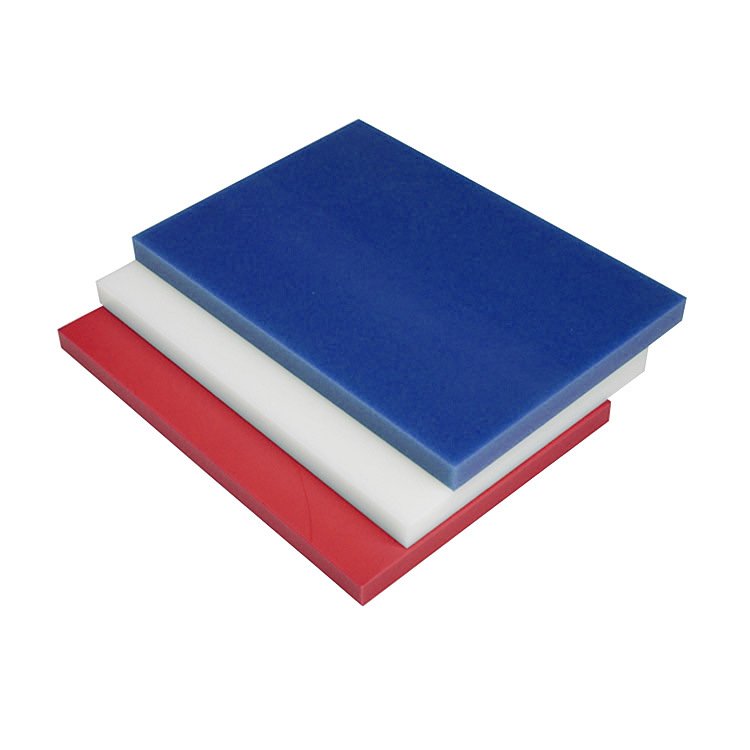
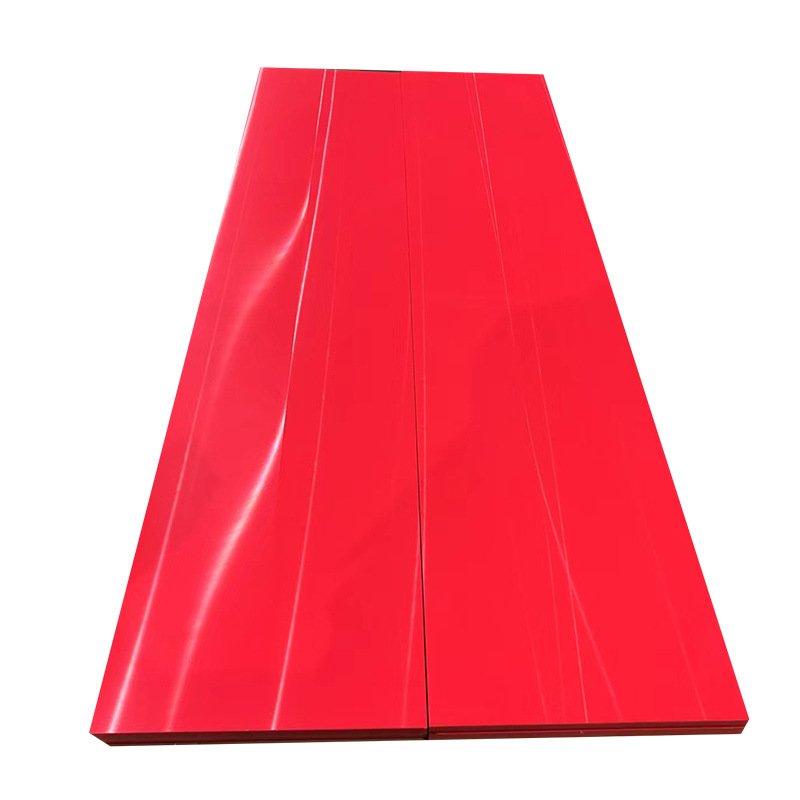
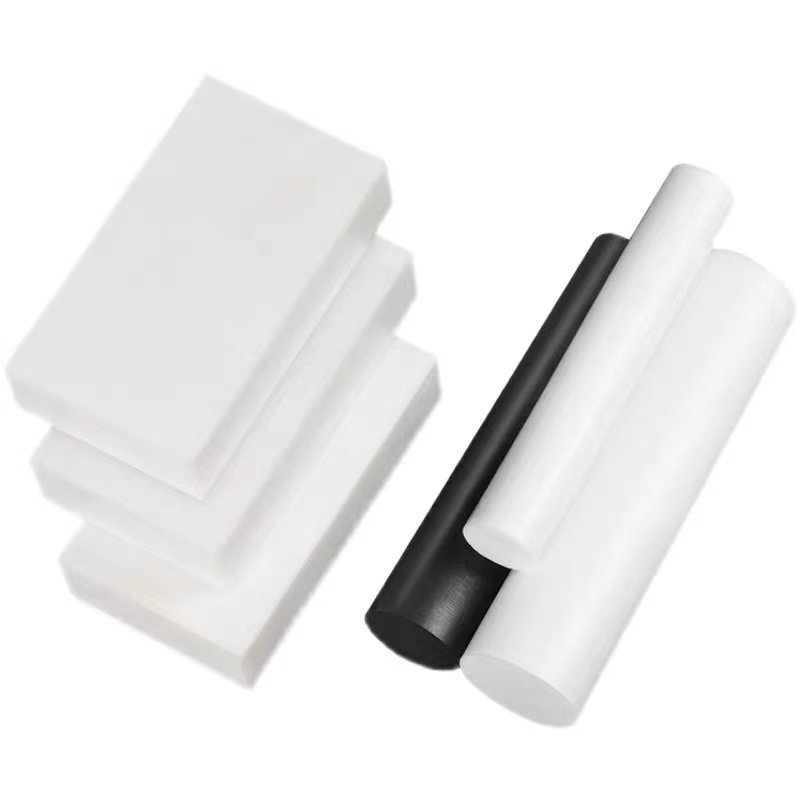
Why UHMWPE Performs Well in Chemical Service
UHMWPE, also known as PE1000, is a high molecular weight, non-polar polyolefin. Its saturated carbon-hydrogen backbone, low surface energy and very low liquid absorption make it highly stable in many industrial chemical environments. For many acids, alkalis, alcohols, salt solutions, oils and water-based media, UHMWPE keeps its low-friction surface and impact toughness better than many common engineering plastics.
Best-fit applications: chemical tank liners, chute liners, guide rails, conveyor wear strips, marine fender pads, food-grade sliding parts, low-friction pads and custom CNC-machined plastic parts where corrosion resistance and impact resistance are required.
UHMWPE Chemical Compatibility Chart
General guide only. Final selection should consider concentration, temperature, mechanical load, exposure time and cleaning process.
| Chemical Group | Examples | Typical UHMWPE Rating | Engineering Notes |
|---|---|---|---|
| Water & seawater | Fresh water, salt water, brine | Excellent | Very low absorption; suitable for marine and wet sliding parts. |
| Alcohols | Methanol, ethanol, isopropanol | Excellent | Strong choice for alcohol exposure compared with moisture-sensitive plastics. |
| Diluted acids | Diluted hydrochloric acid, sulfuric acid, acetic acid | Excellent to Good | Generally stable; check high concentration and high temperature cases. |
| Alkalis | Sodium hydroxide, potassium hydroxide, ammonia solution | Excellent | Good resistance in many alkaline service environments. |
| Salts | Sodium chloride, calcium chloride, fertilizer salts | Excellent | Low corrosion risk and low water absorption. |
| Oils & greases | Lubricating oil, mineral oil, hydraulic oil | Excellent | Low friction surface; often used where lubrication is limited. |
| Food liquids | Sugar solution, vegetable oil, milk processing fluids | Excellent | Food-grade UHMWPE can be supplied for compliant applications. |
| Hydrocarbons | Gasoline, diesel, kerosene | Good | Usually acceptable; evaluate swelling and temperature for long exposure. |
| Aromatic solvents | Toluene, xylene | Limited | Application testing required, especially under heat or stress. |
| Chlorinated solvents | Methylene chloride, trichloroethylene | Limited to Not Recommended | Not a first-choice material for long-term exposure. |
| Strong oxidizers | Concentrated nitric acid, chromic acid | Not Recommended | Strong oxidizing media can attack polyolefin materials. |
| High-temperature chemicals | Hot solvent or hot concentrated acid/alkali | Case by Case | Temperature and load may reduce long-term performance. |
UHMWPE Resistance to Methanol and Alcohols
Methanol is a polar low-molecular-weight alcohol that can affect some polar engineering plastics. UHMWPE performs differently because it is non-polar and absorbs almost no liquid. In typical industrial use, UHMWPE shows excellent compatibility with methanol, ethanol and isopropanol, while maintaining its low-friction surface and high impact toughness.
Low Absorption
UHMWPE absorbs very little moisture or alcohol, reducing swelling and dimensional change.
Low-Temperature Toughness
UHMWPE remains tough at low temperature, making it safer than brittle plastics in cold service.
Wear Resistance
The material combines chemical stability with abrasion resistance for liners and sliding parts.
Application Limits to Check Before Selection
- Temperature: UHMWPE is suitable for many moderate-temperature applications, but high heat lowers stiffness and increases creep risk.
- Mechanical load: For long-term load-bearing components, control stress, increase support area and consider thickness carefully.
- Strong oxidizers: Avoid concentrated oxidizing acids and aggressive oxidizing media.
- Solvent stress: Aromatic or chlorinated solvents require application testing.
- Regulatory needs: For food-contact or clean applications, request food-grade material documentation before production.
How to Use This Chart for Material Selection
For a reliable recommendation, provide the chemical name, concentration, operating temperature, exposure time, mechanical load, required thickness and whether the part is used as a liner, sliding component, pad or machined part. Jiasheng can recommend UHMWPE grade, sheet thickness and machining approach according to the working condition.
Need a UHMWPE Sheet for Chemical or Low-Friction Service?
Send your chemical medium, temperature range, drawing or required size. Our engineering team will help you select UHMWPE sheet, liner, wear strip or CNC-machined part for your application.
Request a QuoteFAQ
Is UHMWPE resistant to methanol?
Yes. UHMWPE generally has excellent compatibility with methanol because it is a non-polar polyolefin with very low absorption. It is often preferred over nylon when alcohol exposure and dimensional stability matter.
Is UHMWPE suitable for acids and alkalis?
UHMWPE is suitable for many diluted acids, alkalis and salt solutions. Strong oxidizing acids or high-temperature aggressive media should be checked separately.
Can UHMWPE replace metal liners in chemical environments?
In many abrasion and corrosion environments, UHMWPE liners can reduce friction, noise and sticking. Load, temperature and attachment method should be reviewed before replacement.
Which is better for wet or alcohol service: UHMWPE or nylon?
UHMWPE is usually more stable in wet or alcohol service because it absorbs very little liquid. Nylon can absorb moisture or polar media, which may change dimensions and mechanical properties.